


Cling film is a common kitchen item that is manufactured from Polyvinylidene Chloride (PVC). However, in recent years, LDPE has emerged as a better alternative to PVC. It is also cheaper and easier to produce, and many consumers are switching to it because it is considered safer for the environment. Despite the difference in cling properties, both types of film are suitable for covering various types of food.
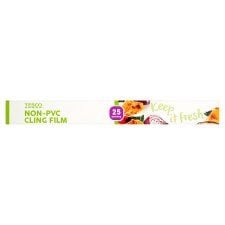
Although non-PVC cling film is more eco-friendly and biodegradable, it still has certain drawbacks. First, it is not biodegradable. Secondly, it is not safe for 95% of foods. Lastly, non-PVC cling film does not burn well or drip oil. In addition, PE sling film may continue to burn even after it has been removed from the fire.
When it comes to transparency, PVC cling film is better. PE cling film has a lower right-angle tear strength than PE cling film and is the most easily burnt. Unlike PE sling, however, it does not drip oil and has a strong smell that makes it difficult to breathe. On the other hand, PE sling film is stronger than its counterpart and will stay intact even after the fire has been put out.
There are advantages and disadvantages to using non-PVC cling film. It is better to use non-PVC cling film because it is more environmentally friendly than its counterpart. It is also biodegradable and safe for 95% of the food. For example, PE cling film does not drip oil, but it will leak a lot of oil, and it can continue to burn for several hours after it is removed from the fire source.
Both types of cling film are recyclable. Both types of plastic film are biodegradable, but phthalates are harmful to humans. It is recommended to use non-PVC clingfilm whenever possible, especially if you're using plastic wrap for food. The film is not biodegradable, but it is biodegradable. When you're making an important decision about which one to buy, you should look for a brand that's compatible with your food.
In general, the differences between PE cling films are mainly due to their different properties. While non-PVC cling film is biodegradable, PE cling films are not. Both types are safe to use with 95% of all food and are highly recyclable. But, when choosing between the two, it's important to consider your food safety and environmental concerns.
While non-PVC cling film is biodegradable, it isn't as durable as PVC. It is also more expensive, but it's worth the extra cost. Both types can be used for the same purpose, but PE clings film is better for many applications. In addition, PE sling film is more flexible than the former. It can also be used for food that's high in fat.
While non-PVC cling film is more environmentally friendly, the main difference between the two types is the amount of PVC in each film. In contrast, non-PVC cling films are more transparent, but both should be kept at least two centimeters away from their food. A PVC sling sheet can be used in baking and for food storage, and PE clings film is more resistant to scuffing.
While both types of plastic are safe, there are some differences between the two types. The former has better cling properties and is the preferred choice of most professional caterers. PE film is not suitable for high-fat foods, and it's flammable. Both types can melt in hot liquids and release oil and smoke. While non-PVC cling film doesn't have as good a cling film, PE cling film can be burned.
If you're not sure which type is better, try burning one with fire. While a non-PVC cling film is less toxic and is recyclable, PVC plastic wraps will not burn. But they will emit a pungent odor when burned. This type of cling film should not be used to wrap cooked foods. While it's a good alternative to Saran wrap, it's not as safe as the non-PVC type.


 Telephone :0086 19516523987
 WhatsApp :+86 19516523987
 Email :

 +86 19516523987
 0086 19516523987