


Solar EVA film is a type of film used to capture and store solar energy. Solar EVA films are made from a special kind of plastic that can absorb and hold a large amount of sunlight. This makes solar Eva films perfect for capturing energy from the sun to power things like electric cars and home appliances.
If you’re thinking about installing solar panels on your home, you might be wondering what the best option is for you. And if you’re looking to save money on your energy bills, a solar panel might be the right choice for you.
In this article, we’re going to take a look at Eva solar cells, one of the most popular types of solar panels out there. We’ll discuss their benefits and drawbacks, and help you decide if they’re the right fit for your needs.
Eva solar cells are a type of photovoltaic cell that uses organic materials as light-absorbing material. This makes them environmentally friendly, as they don't rely on heavy metals or other substances that can be harmful if discharged into the environment.
The main advantage of Eva solar cells is that they are relatively low cost to produce, making them a potentially viable option for mass production.
An EVA solar cell is a type of solar cell that uses the energy from sunlight to create electricity. Unlike other solar cells, which use silicon to convert sunlight into electricity, Eva solar cell uses materials like carbon and sulfur that are abundant in the Earth's atmosphere. This makes Eva solar cells more environmentally friendly than traditional solar cells.
Solar energy is a renewable resource that can be harnessed to generate power. The sun’s rays are a great source of energy, but they’re not always available. That’s where solar cells come in. Solar cells are made up of materials that absorb sunlight and turn it into electrical energy.
There are many different types of solar cells, but the most popular ones right now are eva solar cells. Eva solar cells are made out of polycrystalline silicon, which is a type of semiconductor. Silicon is one of the most common materials on Earth, so using it to make solar cells is really smart because it’s so abundant.
Another advantage of using solar cells is that they have a high-efficiency rate. In fact, eva solar cell has an efficiency rate that’s about twice as high as traditional solar panels. This means that you’ll be able to generate more electricity from the same amount of sunlight by using an Eva solar cell than you would by using a traditional panel.
Another big benefit of using solar cells is that they’re environmentally friendly. Unlike traditional solar panels, which require a lot of land to
One of the biggest challenges with using eva solar cells is that they are less efficient than traditional solar cells. This is because Eva cells use a different type of material to create their devices.
Evacuation film or encapsulation is a type of solar cell packaging that helps reduce the amount of sunlight that reaches the solar cells. Solar cells are made up of several small pieces of silicon that work together to convert light into electricity. Evacuation film protects these cells by helping to keep the sun's rays from damaging them.
Eva film solar cell encapsulation is a process of wrapping solar cells in a protective layer made from carbon-based materials. The purpose of encapsulation is to protect the solar cells from the elements and to increase their lifespan. Eva film solar cell encapsulation is typically used on panels that are not going to be exposed to direct sunlight for an extended period of time.
When it comes to solar energy, the sky is the limit! Solar panels are made from a variety of materials, but the most common are silicon and metal oxides. Silicon has been used in solar panels for many years because it is cheap and easy to produce. However, silicon solar panels have one major drawback: they are fragile. They can be damaged by wind, rain, sunlight, and other elements. Metal oxides, on the other hand, are more durable than silicon solar panels. However, they are more expensive to produce.
One way to make metal oxide solar panels more durable is to encapsulate them in an EVA film. EVA is a type of plastic that is often used in make-up and other personal care products. It is also used in solar cells because it is durable and lightweight. EVA films can protect metal oxide solar cells from damage by sunlight and other elements. They also make the cells less brittle and easier to install on a roof or other surface.
There are many benefits to using EVA films for solar cell encapsulation. They make the cells more durable and easier to install. They also reduce the amount of sunlight that can damage the cells. In addition, they
EVA film solar cell encapsulation is a process that coats the surface of a solar cell with an encapsulating material. The encapsulating material helps to protect the solar cell from the elements, and it can also improve the performance of the solar cell.
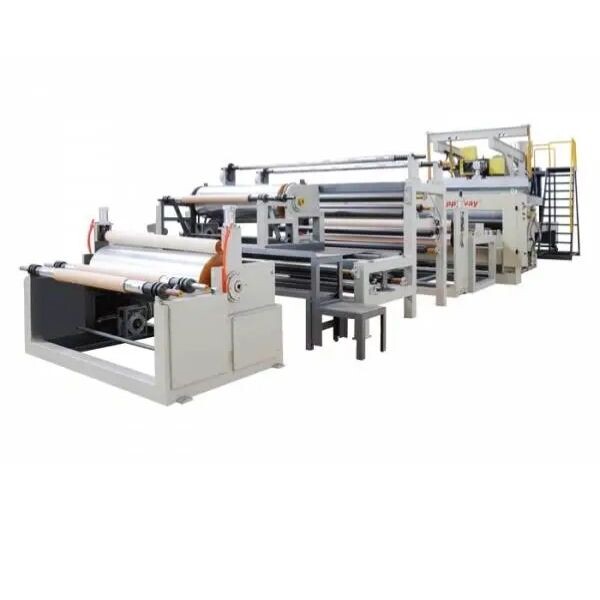
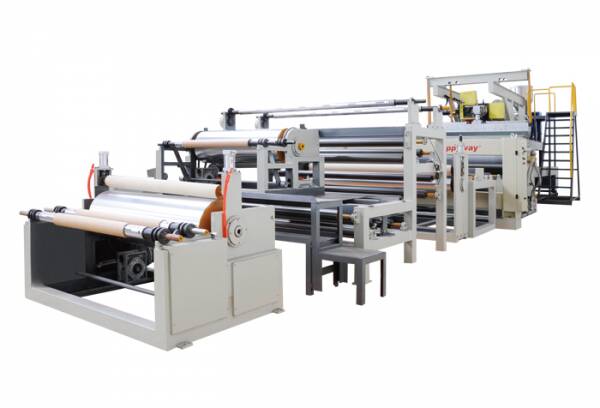
The EVA Film Solar Cell encapsulation equipment is used to encapsulate the solar cells in order to protect them from the environment. The encapsulation equipment can be used to produce small batches of solar cells or large volumes of solar cells. The encapsulation equipment can also be used to produce solar modules.
Eva film is a type of solar cell material that has the potential to be more efficient than traditional solar cell materials. In this article, we'll take a closer look at a film and see what makes it so promising.
EVA film is an environmentally friendly alternative to traditional solar cells. It's made of a material called polyethene terephthalate (PET), which is flexible and transparent. EVA film can be used in solar panels to convert sunlight into electricity.
EVA film works like traditional solar cells, but it has some advantages. For one, it's cheaper than traditional solar cells. And because it's flexible and transparent, EVA film can be used in a variety of applications, such as windows and smartphones. In addition, EVA film is resistant to moisture and heat, so it can be used in outdoor applications.
EVA film for solar cells has a number of advantages over other materials used in solar cells. These advantages include being lightweight, flexible, and having a low-cost production process. Additionally, EVA film can be processed into various shapes and sizes, which enhances its potential applications.
There are a few disadvantages to using EVA film for solar cells that should be taken into account.
First and foremost, EVA film is not as efficient as other types of solar cells when it comes to converting sunlight into electricity. In fact, it can only convert around 16% of the light that hits it into energy, which is significantly lower than other types of solar cells.
Second, EVA film can be difficult to work with, which could lead to issues during production. Additionally, if the film becomes damaged or cracked, it could prevent sunlight from reaching the solar cell properly. Finally, EVA film is more expensive than other types of solar cells, so it may not be feasible for some projects.
Eva film manufacturing process is a very important and complex process that helps in the production of motion pictures, television programs, commercials, video games and other video productions. In this article, we will discuss the different stages involved in the Eva film manufacturing process and how they are essential for creating high-quality motion pictures and video productions.
Eva film is made by coating a plastic film with a thin layer of silicone. This process creates an image that can be used in projection or printing.
EVA film manufacturing process is a specific type of printing process used to create flexible and durable plastic films. The film is made up of transparent polyethene terephthalate (PET) fibres that are coated with a polymer layer. This polymer layer creates the film's characteristic flexibility and durability.
Eva Film Manufacturing Process Explained
The Eva Film Manufacturing Process is the steps taken to create a motion picture film. It begins with the selection of a substrate, such as a piece of cellulose acetate film. The substrate is then coated with an emulsion made of oil and water. This mixture is then spilt over a surface, such as a film frame, and allowed to dry.
After the coating has dried, the film frame is exposed to light through a mask or lens. This exposure causes the substance in the emulsion to break down into tiny particles. These particles are then collected by a vacuum system, which removes any air bubbles. The final product is a film that is both light-sensitive and durable.
EVA film has many advantages and disadvantages over traditional Film based technologies.
Advantages of EVA film include:
-Low cost - due to its low manufacturing costs, EVA film can be produced at a lower cost than traditional film technologies.
-Low size - as EVA films are very thin, they can be easily printed onto various surfaces.
-Lightweight - EVA films are lightweight and can be easily transported and used in a variety of applications.
-Reusable - EVA films can be recycled multiple times, leading to significant environmental benefits.
Disadvantages of EVA film include:
-Limited viewing angles - as EVA films are very thin, they do not provide the same viewing angles as traditional film technologies.
Solar EVA film is a type of film used to capture and store solar energy. Solar EVA films are made from a special kind of plastic that can absorb and hold a large amount of sunlight. This makes solar Eva films perfect for capturing energy from the sun to power things like electric cars and home appliances.
There are a few solar EVA film manufacturers, but one of the most well-known is Japan-based GS Yuasa Corporation. GS Yuasa has been manufacturing solar cells and solar Eva film since 1984. It is known for its high-quality products and its commitment to sustainable development.

 Telephone :0086 19516523987
 WhatsApp :+86 19516523987
 Email :

 +86 19516523987
 0086 19516523987