


Jike is a company that manufactures cling film and is currently looking for new ways to improve its products. cooperates with domestic colleges and universities. Under the guidance of experts and the efforts of the company’s employees, we have successively developed PVC cling film casting production line, PVC cling film blown film production line, PVC transparent packaging film production line, TPU film production line, environmentally friendly flexible packaging laminating machine, glass fibre silk, Cloth, impregnated sheet production line, etc.
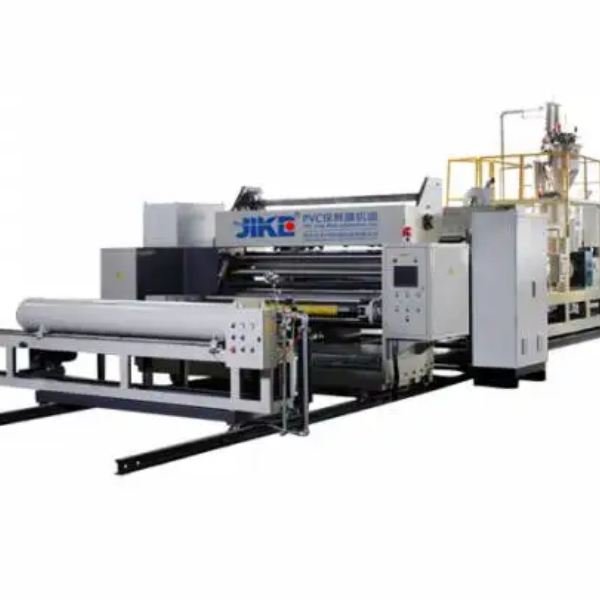
Cling film lines are a great way to protect your property, and you need to make sure that you buy the right type of line for the job. In this article, we will explain the different types of cling film lines, their uses, and what you need to know when buying one.
If you're looking for a way to protect your belongings from water damage, a cling film line might be just the thing for you. A cling film line is a thin, transparent sheet of plastic that you can use to cover objects like furniture and electronics. The sheet is sticky on one side, so it will attach itself to surfaces when you press it against them. This makes it perfect for keeping things dry during extreme weather conditions like downpours or flooding.
When buying a cling film line, there are a few things you need to keep in mind. First, make sure the sheet is thin enough so that it won't block light or airflow. Second, make sure the sheet is opaque enough so that people and animals can't see through it. And finally, make sure the adhesive is strong enough so that it doesn't start coming off after a few uses.
Overall, a cling film line is an essential tool for protecting your belongings during extreme weather conditions. If you're looking for something affordable and easy to use, a cling film line might be the right option for you.
When it comes to clinging film, you can find just about any brand name out there. But what do you need to know when buying a cling film line?
Cling film is a product that first became popular in the 1950s. It is made up of polyethene terephthalate (PET), which is a type of plastic. The film is stretched over a flexible sheet and then cut into pieces that are about 6 inches by 6 inches. These pieces are then put back together and cut down to their final size.
The adhesive used in cling film is heat-sensitive. This means that once the film has been applied to something, it will be difficult or impossible to remove it without damaging the surface that has been covered with the film.
When it comes to protecting your property, there are few things as effective as a cling film line. Not only is it an affordable way to keep intruders at bay, but it also offers a number of benefits that can make your life much easier. Here are five reasons you should consider using a cling film line in the future:
1. It's Economical
A cling film line is one of the most cost-effective security measures you can take. While it may initially seem like a bit of an investment, the cost of replacing damaged property or repairing damage caused by trespassers will quickly outweigh the cost of purchasing and using a cling film line.
2. It's Portable
Unlike traditional security systems that require hard-to-install components, a cling film line is easy to set up and move around. This means you can place it where it's most effective – near entrances and windows – and forget about it.
3. It Can Be Customized to Fit Your Needs
Unlike other security measures such as alarms or cameras, a cling film line can be tailored to your specific needs. If you're looking for a quick and easy solution, a cling film line might be just
When you are buying a cling film line, there are a few things to know. Cling film is most commonly used for taking pictures of food or as a water sealant. When you are using cling film, it is important to understand how to use it correctly. Here are some tips on how to use a cling film line.
1) Make sure the area you want to seal is clean and free from any debris or oils.
2) Cut the cling film into the desired shape and size. Most cling film lines come in rolls that are 30 feet long. It is important to measure the area you want to cover before cutting the film.
3) Place one end of the cling film over the object or surface you wish to protect and press down firmly. Then pull up on the other end of the film to ensure a tight seal.
4) If you will be using the cling film outdoors, make sure to put it in a sealed container beforehand so that it does not rain or snow on it.
Clingfilm can also be stored in the refrigerator if you will not be using it for an extended period of time.
When you are looking to buy a cling film line, you need to be aware of different factors. First, the line needs to be strong enough to withstand the weight of the product that you are trying to film. Second, the line needs to be able to stretch in order to conform to the various shapes and sizes of products that you will be filming. Finally, the line needs to be flexible so that it can easily move and conform to the product being filmed.
A cling film line is a type of fishing line that can be used for a variety of purposes. Common uses for a cling film line include casting, trolling, and spooling.
Cling film lines are available in various weights and lengths. They are also available in various diameters, which helps to accommodate a variety of hooks and lures.
When choosing a cling film line, it is important to consider the weight and length of the line. The weight of the line affects how easily it casts, while the length of the line affects how far the line can be trailed before it needs to be reeled in.
It is also important to consider the diameter of the hooks and lures that will be using the cling film line. A smaller diameter hook will require a thicker line, while a larger diameter hook will work with a thinner line.
When it comes to protecting your property, there is nothing like a good cling film line! This type of line is especially popular for use in the construction and manufacturing industries. There are many reasons why the cling film line is so popular.
First and foremost, the cling film line is incredibly strong. Not only can it resist tears and pressure, but it also has a high resistance to chemicals and water. This means that it can be used to protect sensitive equipment from weathering and damage. Furthermore, the cling film line is also versatile. In fact, it can be used for a variety of applications, such as roofing, insulation and water protection.
If you're looking for something that will stand up to the test of time, then a good cling film line might just be what you're looking for!
There are a few things you’ll need to know before buying a cling film line. The first is the weight and size of the film you need. You also need to consider the type of material your line will be made from, and what kind of adhesive will be used. Finally, make sure the line is UV-resistant so it can last in harsh weather conditions.
To get started, measure the width and height of your desired area, as well as the thickness of the material you want to protect. Then, find a cling film that’s compatible with your needs. Some lines are made from paper or plastic, while others are made from rubber or fabric. Once you have your film, it’s time to choose an adhesive. There are several types available, including hot glue, tape, and staples. Make sure you choose one that’s compatible with your material and line size.
Now that you have all of your supplies, it’s time to start creating your barrier! Start by cutting the film into desired lengths, then attach it to surfaces using your chosen adhesive. Be sure to smooth out any bumps or tears in the
When it comes to clinging film, the price can vary significantly depending on the size of the roll and the brand. A basic role of cling film can cost anywhere from $0.50 to $2.00, while a higher-quality brand such as Scotch Clingfilm can cost upwards of $6.00 per roll. However, keep in mind that the price also depends on where you buy your cling film. In general, speciality stores and online retailers tend to charge more for cling film than mainstream stores.

 Telephone :0086 19516523987
 WhatsApp :+86 19516523987
 Email :

 +86 19516523987
 0086 19516523987